When to See an Emergency Dentist: 12 Urgent Dental Problems and What to Do First
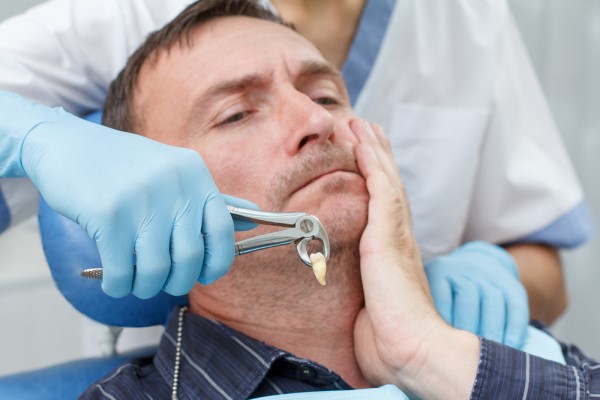
Dental problems can seem to happen out of the blue, but knowing what to do next can result in better health outcomes for your smile. Calling an emergency dentist is often the best next step. These general dentists can help when dental issues cannot wait for a scheduled checkup. With prompt treatment, they work quickly to prevent problems from worsening or to save a damaged tooth.
When to access emergency dental care
An emergency dentist is a general dentist who can provide urgent dental care. They can treat non-life-threatening issues, such as chipped, cracked, infected, or even knocked-out teeth. The goal is to fix the issue before it worsens and provide much-needed pain relief. By addressing issues in their earliest stages, a patient can often avoid the need for a tooth extraction or a more involved treatment later on.
Please note that it is recommended to access emergency medical services if the dental issue is life-threatening. Examples include if there is uncontrolled bleeding, high fever, severe facial trauma, or swelling that gets in the way of breathing. Call 911 or go to the closest hospital emergency room immediately.
What to do in a dental emergency: Quick steps to help in non-life-threatening situations
In the minutes following a dental injury or the onset of severe pain, a few simple actions can help manage the situation. For example, if a dental restoration, such as a filling or a crown, comes loose, it should be kept in a clean container. Patients should avoid the temptation to use over-the-counter glues to reattach dental work at home, as this can trap bacteria and damage the underlying tooth. These initial steps are intended to provide temporary support until the patient can access treatment.
Thus, the first step in any non-life-threatening dental emergency is to call the emergency dentist as soon as possible. They can advise the patient on whether to come in immediately or to arrange an appointment later that day or the next day. The dentist will then discuss what to do in the meantime. For instance, here are 12 common urgent dental problems and typical first steps:
- Tooth knocked out. Keep the tooth moist and handle it by the crown, not the root (make sure to contact the dentist immediately for the best chance of reimplanting the tooth).
- Severe tooth sensitivity after trauma. Avoid temperature extremes and be ready for an urgent appointment.
- Lost crown or bridge. Avoid chewing on that side of the mouth; expect to come into the office for an urgent replacement.
- Broken or lost filling. Keep the area clean and avoid very hot or cold foods.
- Tooth cracked or fractured. Save pieces if possible and avoid hard foods.
- Severe toothache that does not improve. Rinse with warm salt water and avoid chewing on that side of the mouth.
- Facial swelling or gum swelling near a tooth. Use a cold compress to control swelling.
- A minor cut on the gums. Apply gentle pressure with clean gauze.
- Dental abscess or pimple-like bump on the gums. Rinse it, but do not squeeze it.
- Jaw pain after impact. Limit jaw movement and seek evaluation for possible injury.
- Swollen gums around a partially erupted tooth. Rinse gently and avoid irritating foods.
- Painful sores or irritation from dental appliances. Cover sharp spots with orthodontic wax and expect to schedule an adjustment.
Remember, these first steps are intended to reduce irritation and prevent complications. They do not resolve the underlying cause. Prompt evaluation by an emergency dentist helps determine whether infection control, repair, or additional treatment is needed.
How an emergency dentist approaches urgent dental problems
When a patient arrives for an urgent appointment, the mission is to provide an accurate diagnosis and prompt treatment. The emergency or general dentist and their team will likely use digital X-rays to see the condition of the tooth roots and the bone. Once the dentist understands the cause of the pain, the primary goal is to provide relief and prevent the problem from worsening.
Depending on the situation, treatment might include placing a temporary protective restoration, treating an infection, or reattaching a crown. If the tooth is too damaged to be saved, the dentist will discuss options for a healthy replacement. The focus is always on keeping the patient comfortable and providing a clear path to recovery.
Speak with an emergency dentist
An emergency dentist is the right choice for many urgent problems, such as severe tooth pain, swelling, trauma, broken restorations, and suspected infections. Taking the right first steps can support immediate comfort and long-term oral health. Contact Dazzling Smile Dental Group Of Port Washington for more information.
Request an appointment here: https://portwashington.dazzlemysmile.com or call Dazzling Smile Dental Group Of Port Washington at (516) 301-1005 for an appointment in our Port Washington office.
Check out what others are saying about our dental services on Yelp: Emergency Dentist in Port Washington, NY.
Related Posts
Dental problems can happen at any time and often require immediate help to relieve pain and avoid potential complications. If you have urgent dental concerns, you might look for an emergency dentist or a same day dentist. Knowing the difference between these dental professionals can help you choose the best option for your needs.An emergency…
When your general dentist says you need an oral sedative, you might have questions. There are many reasons why you might want or need an oral sedative. You may experience a lot of anxiety, or you may need a procedure that can cause discomfort. General dentists use several different kinds of oral sedatives to help…
If you are looking for a tooth replacement method, you may want to consider a partial denture for one missing tooth. Although it may be tempting not to replace a tooth, especially if the gap is in the back and is hard to see, there are various consequences of not doing so. Although there are…
If you are like many people, your smile is one of your most treasured assets. That is why a partial denture for one missing tooth can be a solid solution for this particular dental concern. A missing tooth can happen for many reasons and is likely to affect you at some point in your life.…