5 Types of Dental Fillings and How to Choose the Right One
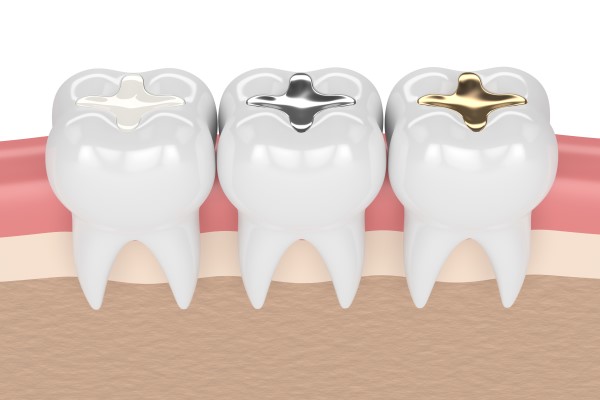
Restorative dentistry offers various solutions for decay, but selecting the best dental fillings is essential for maintaining a healthy, functional smile. Whether a patient is dealing with a small or deep cavity, dental fillings provide the necessary reinforcement to prevent decay from spreading. Understanding the differences of these materials ensures that your chosen treatment aligns with your aesthetic preferences and everyday oral function.
1. Amalgam fillings
Amalgam, or silver, fillings are among the most common types used in restorative dentistry, known for their longevity and strength. This material is a combination of metals, including:
- Silver
- Tin
- Copper
- Mercury
The primary benefit of amalgam is the ability of the material to withstand biting forces over many years, making it an ideal choice for the molars at the back of the patient's mouth, where the most clenching and grinding occurs. Additionally, amalgam is typically the most cost-effective option for patients. While the silver color makes these fillings noticeable, the durability often outweighs cosmetic concerns for restorations that are not visible while smiling.
2. Composite resin fillings
Composite resin fillings consist of a mixture of powdered glass and plastic resin. It bonds chemically to the tooth structure, providing supplementary support. This material is often a go-to option for patients who prioritize a natural appearance, as the resin can be shade-matched to the exact color of the surrounding tooth, particularly for the front teeth or more visible surfaces. Additionally, the dentist does not need to remove as much healthy tooth structure as with amalgam.
After the dentist applies the resin in layers, a specialized light hardens the material almost instantly. This allows the patient to return to normal function shortly after the appointment. It is important to note that while modern resin materials are resistant to wear, they may require replacement sooner than metal alternatives.
3. Ceramic fillings
Ceramic fillings, often made of high-grade porcelain, are preferred by individuals seeking both beauty and durability. Unlike composite resin, which is applied directly in the chair, ceramic restorations are often crafted in a laboratory or via in-office milling technology. These restorations are highly resistant to staining from coffee, tea, or tobacco. Additionally, porcelain is a tough material, offering a lifespan that can exceed fifteen years with proper oral hygiene. While the cost of ceramic is higher than composite or amalgam, the biocompatibility and resistance to abrasion make it a premier investment for long-term dental health.
4. Gold fillings
Gold alloy fillings, also known as inlays and onlays, have been known to last for several decades without failing. Gold is biocompatible, meaning the soft oral tissues respond to the materials with few side effects. The main drawback for many individuals is the cost, as gold is a precious metal and requires laboratory fabrication. Furthermore, the distinct yellow color is not a fit for those seeking a tooth-colored restoration. However, for a patient who desires a quick and effective approach to a cavity in a non-visible area, gold remains a standard filling option.
5. Glass ionomer fillings
Glass ionomer is a material made from acrylic and a specific type of glass. This material is most frequently utilized for fillings below the gum line or in primary teeth for younger patients. These fillings also naturally release fluoride over time, which strengthens the remaining tooth. The material helps prevent recurring decay in high-risk patients.
Glass ionomer does not require the same level of moisture control as composite resin. That said, it is less durable than other materials and is rarely used on biting surfaces. Because glass ionomer is more fragile, it is often used as a temporary restoration or as a base layer beneath a stronger material, such as composite resin.
How to determine the best material for your smile
The choice of dental material usually depends on the location of the decay. For example, a cavity on a front tooth benefits from a more aesthetically pleasing treatment, such as composite resin. Meanwhile, a deep cavity on a back molar may benefit more from the tougher amalgam or ceramic.
Before placing the filling, the dentist will evaluate the size of the area requiring repair, as larger cavities may require the structural integrity of an "indirect" filling, such as a ceramic inlay, rather than a standard "direct" filling. A comprehensive exam and X-rays are the best ways to definitively choose the material that preserves the patient's smile and overall oral health.
Protect your teeth with dental fillings
Navigating the world of dental fillings does not have to be overwhelming when you understand the specific strengths of each filling material. No matter your choice, the goal remains the same: a healthy, pain-free mouth. If you suspect you have a cavity or are experiencing tooth sensitivity, call our Port Washington office today to schedule your next dental visit.
Request an appointment here: https://portwashington.dazzlemysmile.com or call Dazzling Smile Dental Group Of Port Washington at (516) 301-1005 for an appointment in our Port Washington office.
Check out what others are saying about our dental services on Yelp: Composite Fillings in Port Washington, NY.
Related Posts
Cosmetic dentists blend artistry with modern science to elevate a smile while safeguarding long-term oral health. Whether goals involve brighter teeth, improved symmetry, or a more balanced bite, a cosmetic dentist designs personalized solutions that look natural and feel comfortable. Understanding the most common services clarifies options and helps set realistic expectations for timing, cost, and…
If you are looking for a tooth replacement method, you may want to consider a partial denture for one missing tooth. Although it may be tempting not to replace a tooth, especially if the gap is in the back and is hard to see, there are various consequences of not doing so. Although there are…
If you are like many people, your smile is one of your most treasured assets. That is why a partial denture for one missing tooth can be a solid solution for this particular dental concern. A missing tooth can happen for many reasons and is likely to affect you at some point in your life.…
A partial denture for one missing tooth may seem unnecessary to some, but it may be the right treatment option for certain people. It is not unusual for someone to lose a single tooth as a result of some type of injury or tooth decay. Even old age can cause a tooth to fall out…