5 Common Questions About Gum Disease Treatment from a Periodontist
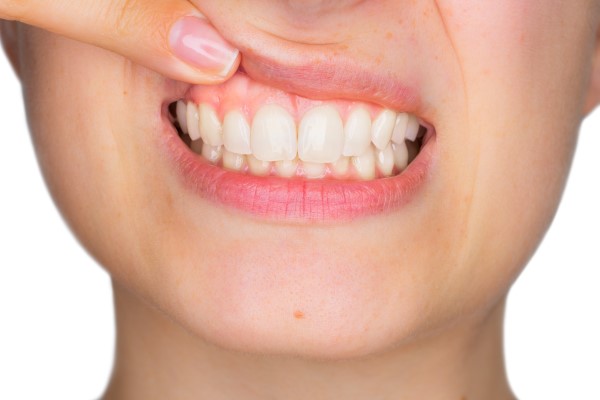
Gum disease treatment is crucial for restoring oral health and preventing periodontal disease from progressing and causing irreversible damage. A periodontist specializes in diagnosing, treating, and managing gum disease, offering expertise and care tailored to each patient's condition. Reviewing the most common questions regarding gum disease treatment can help individuals understand their appointments and care plans.
What is gum disease, and how does it develop?
Gum disease, or periodontal disease, starts with plaque buildup on the teeth. Plaque is a sticky, bacteria-filled film that forms after eating and drinking. If one does not remove this film regularly through brushing and flossing, it will harden into tartar, which they cannot remove with traditional tools. The combination of plaque and tartar irritates the gums, leading to inflammation and infection.
In the early stages, gum disease is known as gingivitis, which causes red, swollen, and bleeding gums. If left untreated, gingivitis can progress to periodontitis, where the infection spreads deeper into the gums and affects the bone that supports the teeth. This can lead to tooth mobility and, in severe cases, tooth loss. Early intervention from a periodontist is key to stopping the progression of the disease.
What are the symptoms of gum disease?
Gum disease symptoms can vary, but they most commonly manifest as swollen or bleeding gums, persistent bad breath, receding gums, loose teeth, and changes in bite or tooth sensitivity. As the disease progresses, symptoms may worsen, leading to more significant pain and discomfort. Note that for gingivitis, the symptoms may be less noticeable, but as the disease advances, patients may experience increased discomfort and complications. If any of these signs appear, it is important to consult with a periodontist to evaluate the condition and begin appropriate gum disease treatment.
What are gum disease treatment options?
Gum disease treatment depends on the stage of the condition and its severity. Non-surgical treatments like scaling and root planing are common for gingivitis. This deep cleaning procedure removes plaque and tartar from below the gumline and smooths the tooth roots to help the gums reattach to the teeth.
For more advanced stages of gum disease, additional treatments may be necessary. This could include surgical procedures such as gum grafts, where the periodontist removes healthy tissue from elsewhere in the patient's mouth and places it in the receding areas. They may also perform a bone graft for those whose disease caused alveolar bone degeneration. The procedure involves taking a synthetic bone-like material and placing it into the receded areas, allowing it to fuse with the surrounding bone tissue. No matter the procedure's invasiveness, the periodontist will likely prescribe antibiotics to help eliminate remnants of the infection.
How long will it take to recover from gum disease?
Prevention methods are crucial in managing gum disease and ensuring it does not return. Proper oral hygiene, brushing twice daily and flossing once daily, is essential in removing plaque and bacteria from the teeth and gums. Regular dental checkups with a periodontist and professional cleanings every six months help detect early signs of gum disease before they develop into more serious problems.
In addition to good oral hygiene, patients should avoid smoking and maintain a balanced diet to promote gum health. Smoking is a significant risk factor for gum disease, as it weakens the immune system and impairs the body's ability to heal. Further, a healthy diet that includes vitamins and minerals, particularly vitamin C, can also help support gum tissue and prevent recurring infections.
Are there prevention methods for gum disease?
Recovery time after gum disease treatment depends on the type of procedure the periodontist performs. Non-surgical treatments like scaling and root planing usually require minimal recovery time, with patients experiencing swelling, bruising, and discomfort for up to a week or more.
It is essential to follow all aftercare instructions for a few days. However, more extensive surgical treatments may take longer to heal, and patients may experience swelling, bruising, and discomfort for up to a week or more.
It is essential to follow all aftercare instructions the periodontist provides, including maintaining good oral hygiene, avoiding hard or sticky foods, and attending follow-up appointments to monitor healing. The periodontist will provide specific instructions based on the gum disease treatment to ensure the recovery process is as smooth as possible.
Schedule a consultation
Gum disease treatment is essential for preserving oral health and preventing the progression of periodontal disease. Through early diagnosis and effective treatment, you can take control of the disease. Contact Dazzling Smile Dental Group Of Port Washington if you have more questions or show signs of gum disease.
Request an appointment here: https://portwashington.dazzlemysmile.com or call Dazzling Smile Dental Group Of Port Washington at (516) 301-1005 for an appointment in our Port Washington office.
Check out what others are saying about our dental services on Yelp: Gum Disease in Port Washington, NY.
Related Posts
Seeking timely gum disease treatment can reverse the early effects of tissue inflammation before permanent damage compromises the foundational structures of the mouth. The initial phase of gum disease, known as gingivitis, develops quietly without causing significant physical pain or obvious distress to the patient. Our general dentist identifies these subtle tissue changes during routine…
If you are looking for a tooth replacement method, you may want to consider a partial denture for one missing tooth. Although it may be tempting not to replace a tooth, especially if the gap is in the back and is hard to see, there are various consequences of not doing so. Although there are…
If you are like many people, your smile is one of your most treasured assets. That is why a partial denture for one missing tooth can be a solid solution for this particular dental concern. A missing tooth can happen for many reasons and is likely to affect you at some point in your life.…
A partial denture for one missing tooth may seem unnecessary to some, but it may be the right treatment option for certain people. It is not unusual for someone to lose a single tooth as a result of some type of injury or tooth decay. Even old age can cause a tooth to fall out…